

China export customs clearance is the process that allows goods to leave the country under customs control. For an overseas buyer, the practical questions are who submits the declaration, which party is responsible for the information, when the declaration must be ready, and what happens if the goods or documents do not match. This guide explains the operating handoffs for formal commercial-goods exports. Express, postal and cross-border e-commerce shipments can follow different procedures, so confirm the applicable regime with the operator.
The short answer: five stages before a China shipment departs
First, confirm the exporting party and shipment facts. Identify the seller, exporter, shipper, consignee and the party authorised to make the declaration.
Second, prepare a consistent commercial record. Align the commercial invoice, packing list, product description, quantity, value, weights and package count. Third, check classification and restrictions with the responsible specialist, including any licence, inspection, quarantine, dangerous-goods or product-specific requirement.
Fourth, the exporter or authorised customs broker submits the electronic declaration and supporting information to China Customs. Fifth, resolve any examination or data questions before release. Cargo should not be treated as export-cleared until the required formalities are complete.
Who does what in China export customs clearance?
The sales contract and Incoterm help allocate commercial costs and risks, but they do not by themselves answer every operational question. Set out the roles in writing before the cargo is collected. A forwarder may coordinate transport and arrange customs work through an authorised broker, but the legal entity making the declaration and the party accountable for source data should be named.
| Party | Typical responsibility | Buyer should confirm |
|---|---|---|
| Supplier or seller | Provides accurate product, quantity, value and packing information | Who owns corrections when final packed goods change? |
| Exporter or China consignor | May declare directly or entrust a registered customs broker | Which entity is named as exporter and which submits the declaration? |
| Customs broker or forwarder | May prepare and submit the declaration under an authorisation | What information is required, and who answers Customs queries? |
| Buyer or importer | Supplies commercial instructions and destination requirements | Who handles destination entry, duties and delivery? |
| Carrier | Provides booking documents and applies acceptance rules | Is extra security or commodity data needed before cut-off? |
The documents: check consistency before the booking is final
A China export documents checklist covers the document set in more detail. For customs clearance, the key control is consistency across documents rather than the number of files. Check seller, exporter, shipper, consignee and buyer names; a specific product description, material and intended use where relevant; quantity and unit; unit and total value; country of origin; package count; gross and net weight; packed dimensions; the HS classification confirmed by the responsible specialist; the Incoterm and named place; and any applicable licence, inspection record or certificate.
Do not copy an old declaration simply because the product name looks similar. A changed material, battery, packaging format, quantity or destination can change the review questions. If the packing list is provisional, mark it as provisional and provide the final version before declaration or the carrier cut-off.
- Use the final packed quantity, value, package count, dimensions and gross weight.
- Describe the goods clearly enough for classification and acceptance review.
- Disclose batteries, liquids, chemicals, wood products, food and other controlled features early.
- Keep the exporter, shipper and seller roles distinct in the written shipment record.
When does the declaration need to happen?
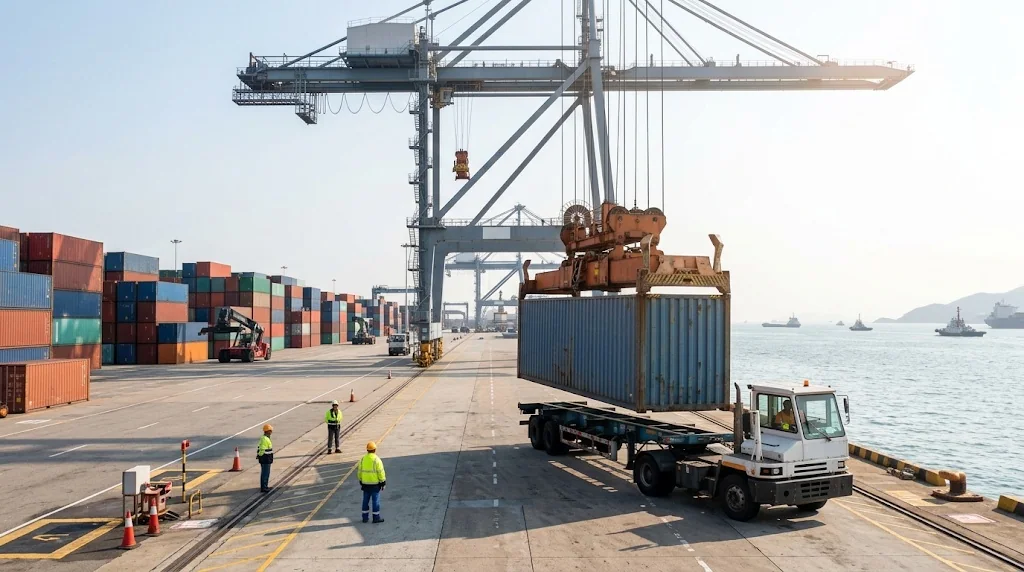
For ordinary export-goods declarations, the general rule is to declare after the goods arrive in the customs-supervision area and at least 24 hours before loading. Qualifying advance declarations and special procedures can alter the sequence. This is a filing rule, not a promise that clearance will finish within 24 hours; ask the responsible broker which procedure applies.
Build time for document review, data correction, possible examination and terminal cut-offs. Ask the operator for three separate dates: the latest time the cargo and final documents must reach the origin warehouse or terminal; the declaration submission or acceptance cut-off for the planned departure; and the latest point at which Customs release is required for the cargo to load as planned. Exact dates depend on the port, carrier, mode and cargo.
What can delay or stop export clearance?
The most common operational risks are mismatched data and unclear ownership. Examples include an invoice quantity that does not match the packing list or packed cargo; a product description too broad to support classification; exporter, shipper and seller names used interchangeably; a battery, liquid, chemical, wood product, food item or other controlled feature not disclosed early; a missing licence, inspection record or authorisation; final dimensions or package count arriving after the booking; or an assumption that the forwarder also accepts destination import, duty or product-compliance responsibility.
When a question arises, correct the source record and keep a written explanation. Do not ask a carrier or broker to make a description fit without confirming the legal and operational basis.
A buyer's pre-booking audit: six questions to send in writing
Before approving a booking, send these questions to the supplier and forwarder. Written answers make the handoff easier to audit and give the operations team a clear escalation path.
- Which entity is named as exporter for the China declaration, and which entity will submit it?
- Which commercial and product data must be final before the declaration is filed?
- Who reviews the HS classification and any licence, inspection or special-cargo requirement?
- What are the document, warehouse and carrier cut-off times for this departure?
- If Customs asks a question or examines the cargo, who coordinates the response and who pays applicable service or storage charges?
- Which destination customs, duties and delivery responsibilities remain with the importer under the agreed scope?
Clear export roles make the whole shipment easier to plan
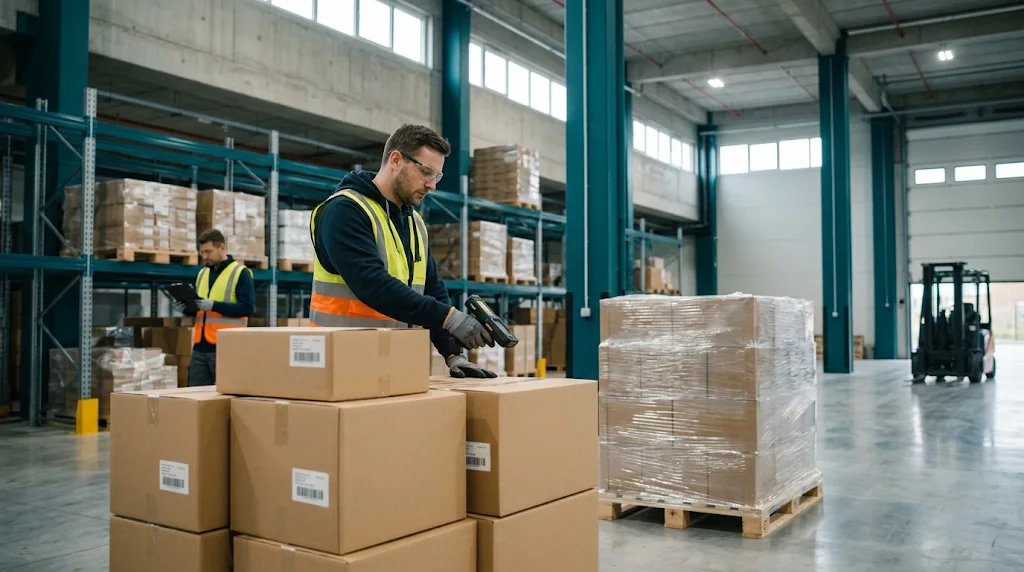
China export customs clearance is not just a document upload. It is a controlled handoff between the seller, exporter, broker, carrier and buyer. When the parties, goods, values, timing and responsibilities are clear before booking, the forwarder can build a more realistic transport plan and the buyer has a better chance of spotting a problem while there is still time to fix it.
Start with the China export documents checklist, then send the final origin, cargo and delivery information through the Ysclink services and quote workflow. For a shipment-specific review, contact the Ysclink operations team with the cargo description, packed dimensions, origin and destination.
FREQUENTLY ASKED QUESTIONS
Questions to ask before booking.
Does the buyer submit the China export declaration?
Usually the exporter or an authorised customs broker submits the declaration under the applicable Chinese requirements. The buyer still needs to provide accurate commercial instructions and should confirm which legal entity is responsible for the declaration.
Is a freight forwarder the same as a customs broker?
Not automatically. A forwarder may coordinate transport and arrange customs work through an authorised broker. Confirm the entity, authorisation and exact scope for the shipment rather than relying on the job title alone.
Can goods be shipped before export clearance is complete?
Do not assume so. Goods remain under customs control during the applicable export process, and the planned departure may be affected if the declaration, examination or release is incomplete.
Does export clearance include import clearance at destination?
No. China export clearance and destination import entry are separate processes. The sale term and transport quote should identify who arranges each one, who pays duties and taxes, and who handles the destination entry.
What should I do if the invoice and packing list do not match?
Pause the handoff long enough to reconcile the actual packed goods and update the responsible records. Ask the exporter or broker whether a correction is required before declaration or release; do not rely on an informal message to explain a material discrepancy.
Sources and further reading
These references support the general customs-planning context. Product-specific classification, licensing, tax and destination requirements should be confirmed with the responsible customs broker or qualified adviser.