
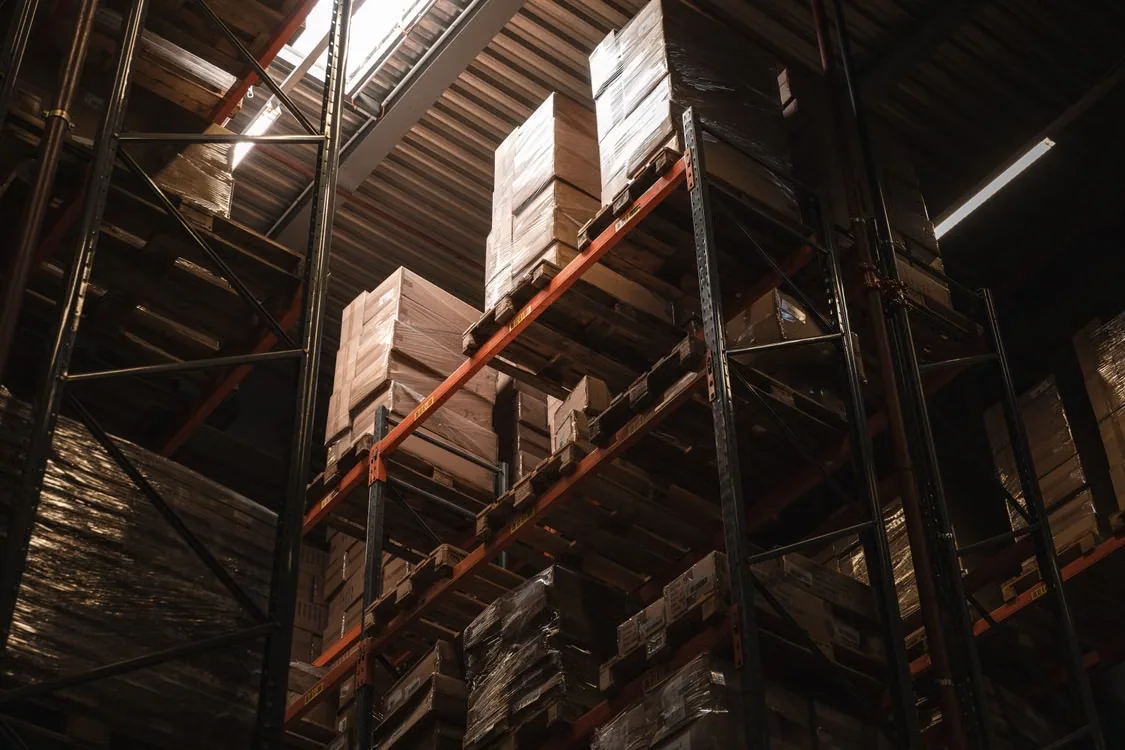
One-piece fulfillment from China is an order-handling arrangement in which a seller’s inventory is received or stored in China and individual customer orders are prepared for dispatch as they come in. Depending on the agreed scope, this can involve inventory receiving, storage, order handoff, picking, packing, parcel dispatch and tracking handoffs. Confirm the operating steps, supported order process, destinations and fees before sending stock.
What is one-piece fulfillment from China?
A business can use fulfillment and parcel shipping together, but should request a quote that separates warehouse work from transportation.
| Service | Where it starts | Typical purpose |
|---|---|---|
| One-piece fulfillment | Seller inventory is received or stored under an agreed warehouse arrangement | Prepare individual customer orders from available stock |
| Supplier-direct dropshipping | A supplier ships an item after an order is placed, without the seller first positioning that stock in a separate fulfillment warehouse | Arrange direct dispatch from the supplier, subject to the seller-supplier setup |
| Standalone parcel shipping | A parcel is already packed and ready to send | Transport a prepared parcel; storage and order handling are separate unless explicitly included |
How an online order moves from inventory to parcel dispatch
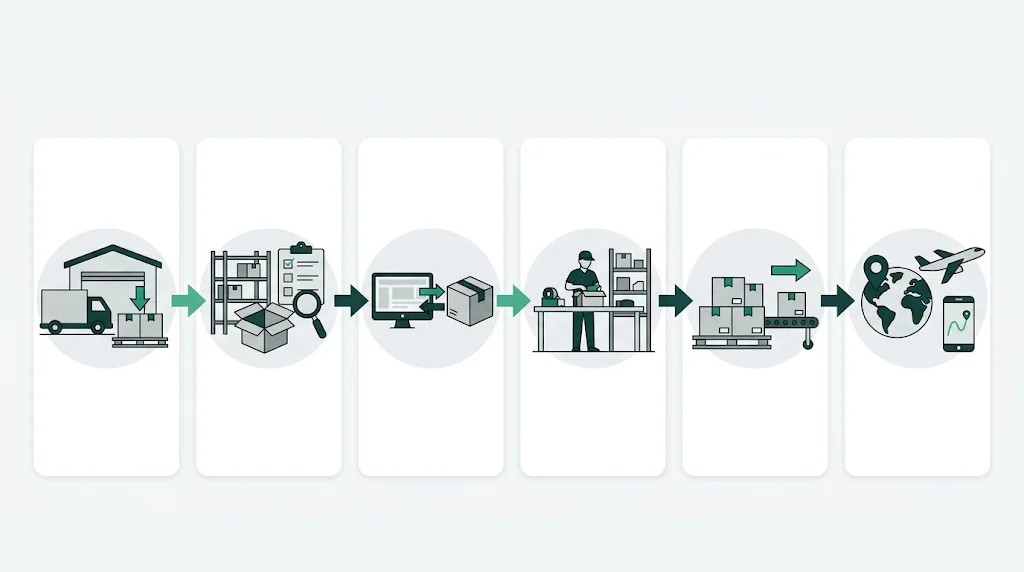
An online order fulfillment workflow has several handoffs. Before onboarding, ask the provider to confirm which steps it performs and what information it needs from you.
First, prepare a product and SKU list, expected quantities, carton count, packed dimensions and weights, product descriptions and handling requirements. Confirm the receiving location and delivery instructions before dispatching stock. If inventory is arriving from several suppliers, ask how separate deliveries should be identified and reconciled.
Next, agree how cartons and units are checked at receiving, how discrepancies or visible damage are recorded, and how inventory status is reported. Confirm whether products need SKU labels or barcodes and who supplies or applies them. A warehouse receiving count should not be assumed to include a product-quality inspection unless that task is explicitly agreed.
Then define how customer orders are handed over. The fulfillment provider needs accurate order details, including SKU, quantity, recipient address and service instructions. Order handoff may use a supported platform connection or another agreed process. Confirm the available method for your store; do not assume an integration or automatic order sync is available.
For each order, the agreed process identifies the required item, prepares the parcel and applies the necessary shipping information. Discuss packaging materials, branded inserts, fragile-item handling, multi-item orders and special packing rules in advance. These tasks should be listed in the operating scope rather than inferred from the phrase ‘pick and pack.’
Once packed, a parcel can be tendered to an available route selected for the goods and destination. Ask which destinations and goods are accepted, what service options are available, what the quoted transit estimate covers and when tracking information is expected. An estimate is not the same as a guaranteed end-to-end delivery date.
- Confirm who investigates inventory differences, incomplete addresses and carrier exceptions.
- Agree how the seller will receive updates and what decisions may be needed from them.
- Ask about returns only if returns handling is part of the service being offered.
Who is responsible for each part?
This table is a planning aid, not a universal allocation of liability. Contract terms and the written service scope determine actual responsibilities.
| Area | Seller should provide or decide | Provider should confirm |
|---|---|---|
| Product and inventory | Accurate descriptions, SKU list, quantities and handling instructions | Receiving requirements, checking scope and discrepancy process |
| Order handoff | Complete customer order data and the agreed transfer method | Supported handoff options, required fields and operational cut-offs |
| Packing | Packaging preferences, customer inserts and restrictions | Which packing tasks and materials are included in the agreed scope |
| Parcel transport | Destination markets, delivery needs and accurate shipment information | Available routes, service limitations, tracking handoffs and quoted charges |
| Exceptions | Timely decisions and corrected information where needed | Contact point, updates and escalation steps for the agreed service |
What affects the cost of one-piece fulfillment?
Compare providers using the same SKU mix, expected order profile, destination markets and packing requirements. Ask for written inclusions, exclusions, billing units and any minimum charges. Do not compare a warehouse-and-dispatch plan with a parcel-only rate as if they cover the same work.
| Cost area | What to clarify |
|---|---|
| Inbound receiving | Whether receiving or item-level checks are charged separately, and what the checks cover |
| Storage | How storage is measured, when charges begin and how long-term or slow-moving stock is treated |
| Order handling | Per-order or per-item pick-and-pack charges, minimums and multi-item rules |
| Packing materials | Which standard materials are included and what custom packaging may cost |
| Parcel transportation | Destination, packed dimensions, weight, goods acceptance, service and delivery scope |
| Additional work | Whether relabeling, special handling or returns are available and how each is quoted |

What should sellers confirm before sending inventory?
Use this checklist when evaluating a China fulfillment warehouse:
- Product acceptance: Are the goods and any batteries, liquids, branded products or special materials accepted on the proposed routes?
- Inbound process: What carton, SKU, labeling and delivery information is required before stock arrives?
- Inventory records: How are received quantities, discrepancies and available stock reported?
- Order handoff: Which order-transfer methods are currently supported, and which fields are required?
- Operating cut-offs: What are the agreed order-processing and carrier handoff windows? Request the provider’s actual terms rather than assuming a universal service level.
- Destination coverage: Which countries and parcel services can be considered for your products?
- Tracking and exceptions: What tracking events are available, and who follows up when an event or delivery is delayed?
- Full costs: Which inbound, storage, handling, packaging, transport and additional charges are included or separate?
- Returns and special tasks: Are these offered for your plan, or should they be handled by another party?
- Pilot process: Can you test receiving, order handoff and dispatch with a limited stock profile before scaling?
Is one-piece fulfillment the right fit for your store?
It may be worth evaluating when your store has repeat orders, a manageable SKU profile and inventory that can be positioned for individual dispatch. It can also suit sellers who want to discuss inventory handling and parcel dispatch as a connected workflow rather than arranging every order as a separate, one-off shipment.
If you only need to send an occasional sample or a single parcel that is already packed, standalone parcel shipping may be simpler to evaluate. Larger, palletized or containerized replenishment may need a separate freight plan. The best option depends on inventory, order frequency, goods, destination and the service scope a provider can confirm.
Start with a small, clearly scoped pilot
Before moving a large quantity of stock, prepare a representative SKU list, carton data, destination markets and order-volume estimate. Ask the provider to map the inbound, order handoff, packing, parcel dispatch, tracking and exception steps in writing. Then test a limited workflow and review whether the actual process and charges match the agreed scope.
This gives both sides a chance to clarify product data, packaging rules, order fields and responsibilities before the operation expands.
FREQUENTLY ASKED QUESTIONS
Questions to ask before booking.
Does one-piece fulfillment mean the supplier ships each order directly?
Not necessarily. In a warehouse-based fulfillment arrangement, the seller’s inventory is received or stored for later order processing. Supplier-direct dropshipping is a different arrangement unless the supplier and fulfillment provider have agreed on a combined process.
Does inventory need to be in China before orders can be fulfilled?
For a warehouse-based workflow, inventory generally needs to arrive and be made available for order processing first. Confirm receiving, stock recording and order-release steps with the provider before advertising a dispatch promise.
Does one-piece fulfillment include parcel transportation?
It may be offered as part of a combined plan, but warehouse handling and parcel transportation are distinct cost and service components. Ask which routes, charges and handoffs are included in your written quote.
Can my store automatically send orders to the warehouse?
That depends on the platform connection and order-handoff options supported for the specific setup. Confirm the available method, required data and setup steps before onboarding; do not assume automatic synchronization is available.
How is one-piece fulfillment priced?
Pricing can depend on receiving, storage, order handling, packaging, parcel profile, destination and additional tasks. Provide your SKU count, expected order volume, inventory location, packed parcel details and destination markets to request a scoped quote.
Sources and further reading
This guide describes a planning framework, not a guarantee that every task or route is available in every service plan. Confirm the operating scope and terms with your provider before sending inventory.